| From the Editor's Desk
Why You Should Create a "Shadow Board" of Younger Employees A lot of companies struggle with two apparently unrelated problems: disengaged younger workers and a weak response to changing market conditions. A few companies have tackled both problems at the same time by creating a "shadow board" - a group of non-executive employees that works with senior executives on strategic initiatives. The purpose? To leverage the younger groups' insights and to diversify the perspectives that executives are exposed to.
They seem to work. Consider Prada and Gucci, two fashion companies with a good track record of keeping up with - or shaping - consumer tastes. Until recently, Prada enjoyed high margins, a legendary creative director, and good growth opportunities. But since 2014, it has witnessed declining sales. In 2017, the company finally admitted that it had been "slow in realizing the importance of digital channels and the blogging online 'influencers' which are disrupting the industry." Co-CEO Patrizio Bertelli said, "We made a mistake."
Continued here
Read TradeBriefs every day, for the best insight!
Advertisers of the day
INSEAD: The INSEAD Leadership Programme for Senior Executives - India
Wharton Business Analytics Team: Wharton's Business Analytics Program (Online)
Our advertisers help fund the daily operations of TradeBriefs. We request you to accept our promotional emails. | Life Life Life Life Life Life Life The ambiguous meaning of the wink The Duchess of Cornwall went viral this week when she winked after a photo shoot during Donald Trump's state visit to the UK. Kelly Grovier explores the history of the cheeky gesture. The Duchess of Cornwall went viral this week when she winked after a photo shoot during Donald Trump's state visit to the UK. Kelly Grovier explores the history of the cheeky gesture. Life Life Life Life Life Work Work Work Work Work How Finland fights fake news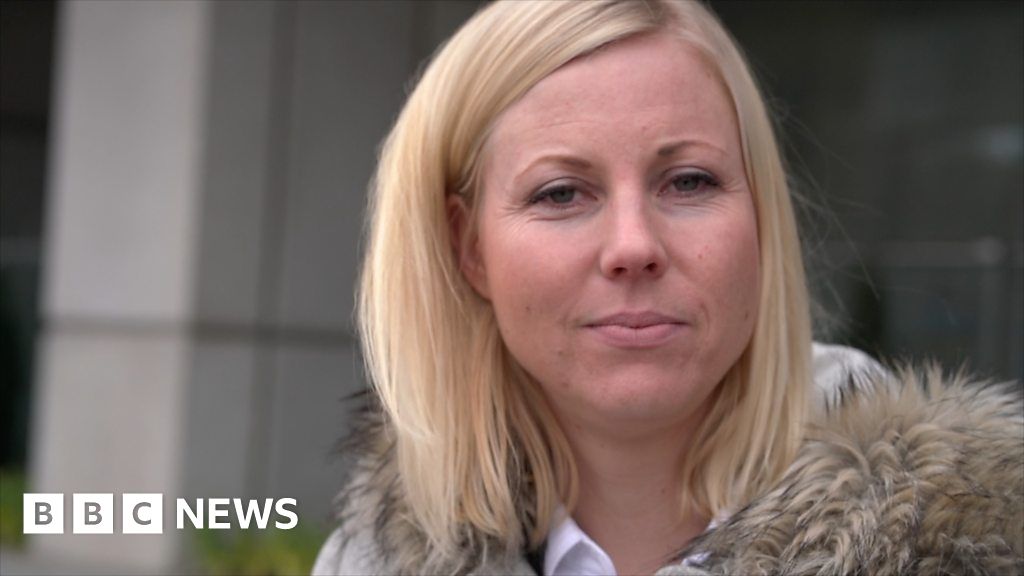 Finland's history and geography mean the Nordic country is well placed to tackle the internet disinformation problem. Finland's history and geography mean the Nordic country is well placed to tackle the internet disinformation problem. Work Work Work Work Work Work Work TradeBriefs Publications are read by over 10,00,000 Industry Executives |

Having trouble reading this email? Click here. Advertise
Unsubscribe |
 | From the Editor's Desk
In the age of fake news, these digital watermarks could stop the spread of fake images To thwart deep fakes, researchers have developed an experimental technique to authenticate images from acquisition to delivery using artificial intelligence.
Determining whether a photo or video is authentic is becoming increasingly problematic. Sophisticated techniques for altering photos and videos have become so accessible that deep fakes - manipulated photos or videos that are remarkably convincing and often include celebrities or political figures - have become commonplace.
In tests, the prototype imaging pipeline increased the chances of detecting manipulation of images and video from approximately 45 percent to over 90 percent without sacrificing image quality.
Continued here
Read TradeBriefs every day, for the best insight!
Advertisers of the day
INSEAD: The INSEAD Leadership Programme for Senior Executives - India
Wharton Business Analytics Team: Wharton's Business Analytics Program (Online)
Our advertisers help fund the daily operations of TradeBriefs. We request you to accept our promotional emails. | Work Work Work Work Work Work Work Work Work Work Work Work Work Life Life Life Life Life The painstaking art of watchmaking From antique pocket watches to limited-edition luxury timepieces, watch the video to see how a small Swiss town became a centre for astounding craftsmanship and precision. From antique pocket watches to limited-edition luxury timepieces, watch the video to see how a small Swiss town became a centre for astounding craftsmanship and precision. Life Life Life Life Life Life Life Life TradeBriefs Publications are read by over 10,00,000 Industry Executives |

|
|
|
|
|
|
|
|
|
|
|
|
|
|
|
|
|
|
|
|
|
|
|
|
|
| |
|
|
|
|
|
|
|
|
|
|
|
|
|
|
|
|
|
|
|
|
|
|
|





![The World's Worst Cities For Traffic Congestion [Infographic]](https://thumbor.forbes.com/thumbor/600x315/https%3A%2F%2Fblogs-images.forbes.com%2Fniallmccarthy%2Ffiles%2F2019%2F06%2F20190605_Traffic.jpg)